What Building Electrification Really Means for Commercial Facilities

What Building Electrification Really Means for Commercial Facilities
By Ian Motley, President | October 7, 2026
Building electrification is often described as replacing fossil-fuel equipment with electric technology. For commercial facilities, the reality is more complex.
A successful electrification project must account for heating and cooling loads, operating temperatures, electrical capacity, existing systems, and long-term capital requirements. Electrification is not simply replacing equipment; it’s a coordinated building strategy.
Here’s what electrification means for commercial buildings, and what you can do to ensure a successful project:
1. Develop an Electrification Roadmap
An electrification roadmap defines where a building is today, where it needs to go, and which projects can move it forward.
The process begins with a detailed assessment of existing conditions, including:
- Heating and cooling loads
- Steam or hydronic operating requirements
- Domestic hot water demand
- Existing equipment condition
- Electrical service capacity
- Controls and metering
- Mechanical room constraints
- Planned capital projects
This assessment helps identify where electrification can provide the greatest technical and operational value. Many New York buildings can draw on data already gathered through Local Law 87 energy audits and retro-commissioning.
For some buildings, domestic hot water or heat recovery may be the right starting point. Others may benefit from simultaneous heating and cooling, high-temperature hydronic heat pumps, low-pressure steam solutions, or a broader central plant conversion.
A complete roadmap should also evaluate whether full electrification or a hybrid approach is more practical. Heat pumps may serve base loads, domestic hot water, heat recovery, or heating during moderate outdoor conditions, while existing or new boilers provide peak capacity, backup, or redundancy.
Project sequencing is equally important. Near-term equipment needs should be coordinated with future electrical upgrades, utility requirements, replacement cycles, and carbon reduction targets.
2. Connecting Electrification to Carbon Reduction Goals
Electrification should support a clearly defined carbon reduction objective. That objective may include reducing annual building emissions, lowering fossil-fuel consumption, meeting regulatory requirements such as NYC Local Law 97, improving central plant efficiency, or preparing the facility for a lower-carbon electric grid.
Defining the goal helps determine which systems should be addressed first.
Domestic hot water can provide a strong electrification opportunity because it represents a consistent year-round load. Heat recovery can capture energy that would otherwise be rejected and redirect it to space heating or hot water production. Buildings with simultaneous heating and cooling demands may be able to transfer energy between systems instead of producing heating and cooling independently.
The analysis must look beyond installed equipment capacity. Annual performance, operating hours, part-load efficiency, utility rates, demand charges, control sequences, and the source of electricity all influence the project’s actual carbon and operating results.
3. Evaluating Existing Infrastructure
The heat pump is only one part of an electrification project.
Many facilities will require supporting improvements to accommodate additional electrical demand and integrate new equipment with existing systems. These improvements may include:
- Utility service upgrades
- Transformers and switchgear
- Electrical distribution equipment
- Pumps and variable-frequency drives
- Piping and heat exchangers
- Building automation and central plant controls
- Energy metering
- Thermal energy storage
- Additional equipment-room space
Existing thermal infrastructure must also be evaluated carefully. Steam pressure, hydronic supply and return temperatures, flow rates, terminal-unit capacity, envelope performance, and peak heating loads can directly affect equipment selection and system efficiency.
The available heat source is another critical factor. Depending on the facility, a heat pump may recover energy from cooling systems, condenser water, wastewater, process loads, or other available sources. The quality, temperature, and consistency of that source will affect annual system performance.
Controls must also be addressed early in the design. In hybrid applications, equipment should be staged based on load, outdoor temperature, available heat sources, system efficiency, utility costs, and operating requirements.
4. Identifying the Right Applications
Commercial electrification is not limited to a single building type.
The most viable opportunities are generally determined by the building’s load profile, existing systems, available heat sources, and operating schedule.
Multi-Family and Residential Buildings
Domestic hot water, low-pressure steam, and hydronic heating systems can represent significant opportunities. Existing distribution temperatures and peak winter loads must be evaluated before determining whether full or partial electrification is appropriate.
Office and Mixed-Use Properties
Interior and perimeter zones may require heating and cooling at the same time. Heat recovery systems can transfer energy between these loads, reducing the amount of heating and cooling that must be produced independently.
Hospitals and Healthcare Facilities
Year-round heating, cooling, domestic hot water, and process demands can create opportunities for heat recovery. Reliability, redundancy, and operating continuity remain central to system design.
Campuses and Large Commercial Facilities
Central plants may offer opportunities for thermal storage, load sharing, phased electrification, and coordinated heating and cooling production.
New Construction
New buildings can integrate electrical service, low-temperature distribution, heat recovery, controls, and equipment space into the design from the beginning. This can reduce many of the constraints encountered in retrofit applications. In New York City, Local Law 154 already limits on-site fossil-fuel combustion in most new construction.
How Hudson Clean Heat Can Help
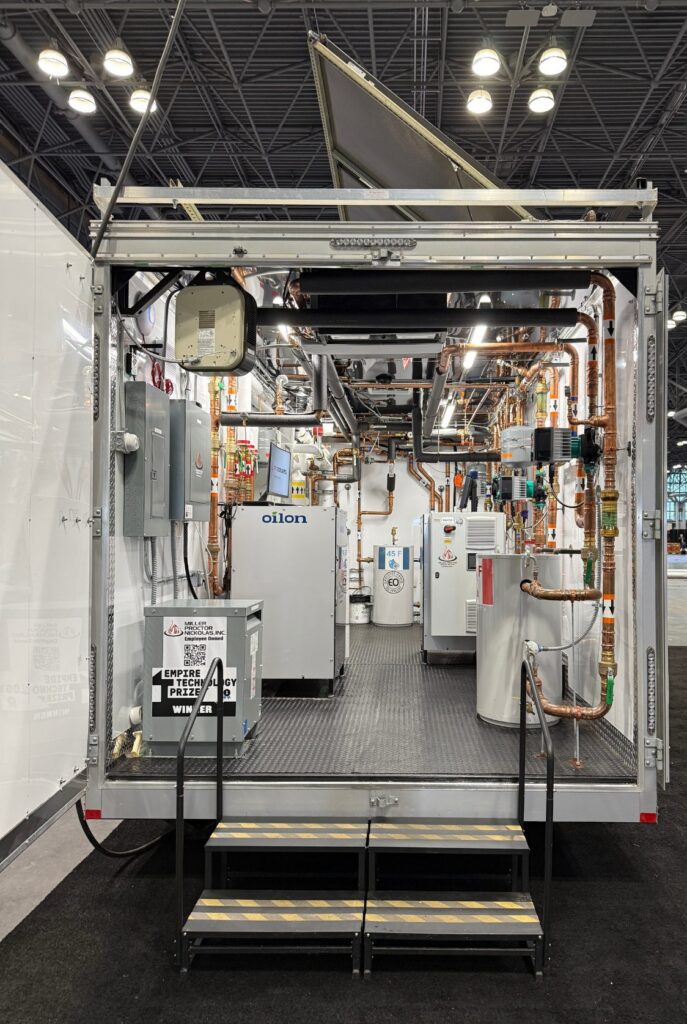
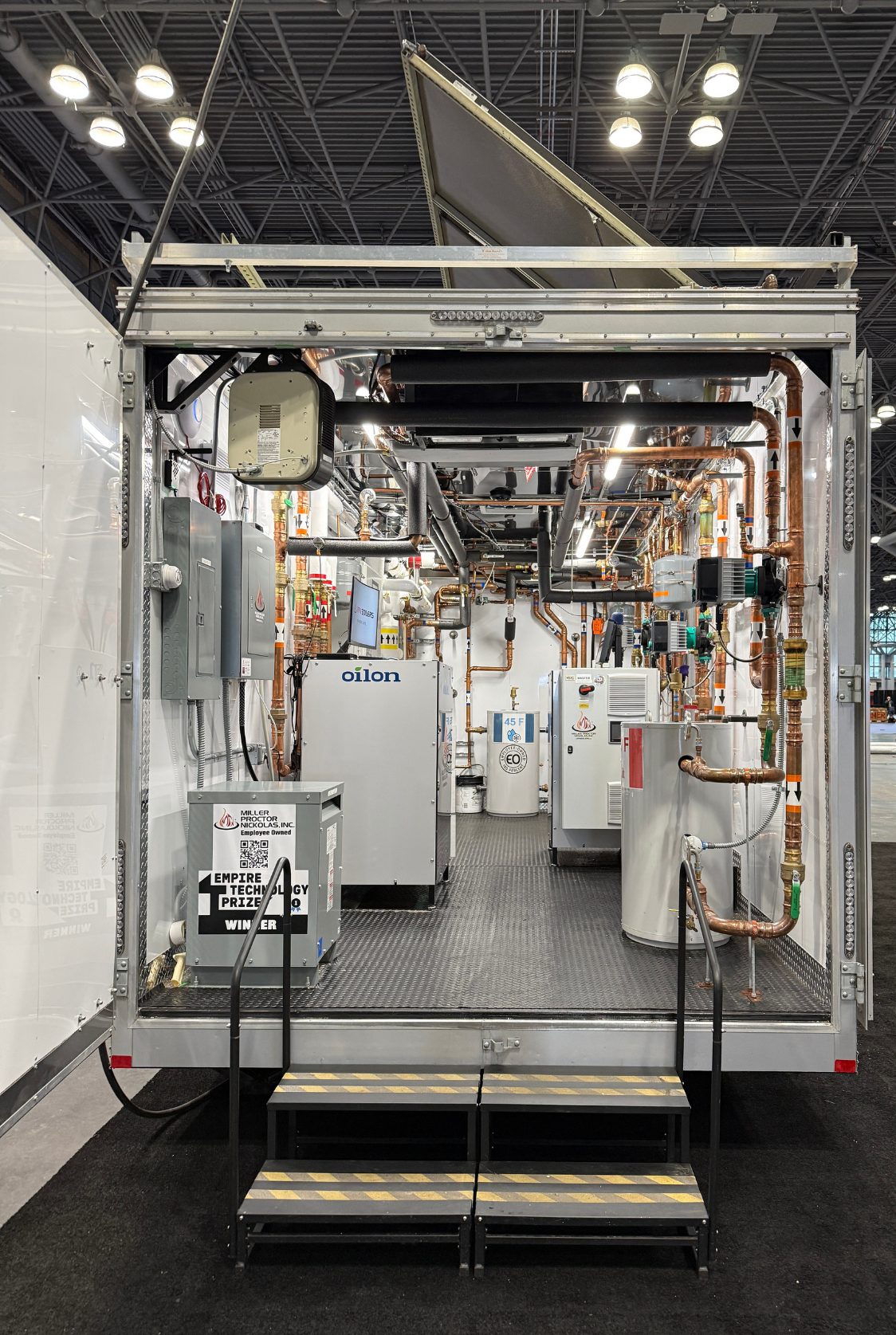
Hudson Clean Heat helps teams navigate the technical and operational complexities of building electrification, from evaluating existing infrastructure and emissions to identifying solutions for steam, hydronic heating, heat recovery, and domestic hot water.
By bringing strategy, technology, and implementation together, HCH develops practical electrification pathways that reduce emissions while maintaining reliable building performance. See these systems in action through our live demonstrations and Project Decarbonization series, or explore more Commercial Heating articles on our Decarbonization News blog.
Ready to evaluate what electrification could look like for your building? Contact Hudson Clean Heat to start the conversation.